Before the floor plan, the body.
We design homes around how the people inside them sleep, recover, connect and feel, so the house helps every body restore, every day.
The Biological Brief is a design brief for a new or renovated family home. It records how each person in the household sleeps, rests, moves and recovers, and turns that into the conditions an architect designs for. Amanda Talbot and Studio Snoop, her London design studio, can lead your project or work alongside your architect.
Especially forNeurodivergent familiesBurnout recoveryAnxietyPoor sleepHealthy ageing
A future built on love.
Science tells us what the body needs. The heart tells us why it matters. The Biological Brief holds both: evidence for the architect, and room for love, joy, togetherness and touch in the life that follows.
We live indoors, online and tired. Our homes haven't caught up.
- About 90% of our time is spent indoors or in vehicles (US: 87% indoors, 6% in vehicles; NHAPS, funded by the US EPA).
- Adult internet users spend 6 hours 38 minutes online every day on average (DataReportal, Digital 2025).
- 1 in 3 adults do not regularly get enough sleep (CDC).
- 1 in 6 people worldwide is affected by loneliness (World Health Organization, 2025).
- By 2030, 1 in 6 people in the world will be aged 60 or over (World Health Organization).
- 1 in 31 eight-year-olds in the US is identified as autistic, up from 1 in 36 (CDC ADDM Network, 2022 data).
- Up to 40% of people are sensitised to proteins in their environment (World Allergy Organization).
- In 2019 the World Health Organization recognised burn-out in its classification of diseases (ICD-11).
In 2019 the World Health Organization recognised burn-out in its classification of diseases. [8]
Your client's body is in the brief. Most homes are not designed for it.
The Biological Brief puts it first, before a single line is drawn.
 Concept · Studio Snoop
Understand the biology first, and the floor plan changes shape.
Most homes are still drawn as rooms to fill. Almost none are designed to help a body recover from the day it has just had. So we start before the first line is drawn.
A typical plan names rooms by function, imagines one average occupant and puts the garden behind the house. A plan briefed by biology is organised around the body: arrive in stages; one place to gather; morning light where the day and the body clock start; the garden at the centre, in every view; nooks to retreat to within earshot; steps, reaches and play built into the route; and sleep at the quiet end of the house.
Rooms organised by function
Every hour asks something different of a home.
Turn the dial, or press a button. What the body is doing, and what the house can do about it.
- Morning light
- The body: Bright light in the first hours sets the body clock for the whole day, and with it tonight's sleep. The home: Bright east light where breakfast happens, and a reason to step outside before the day starts.
- Late-morning focus
- The body: Alertness rises through the morning. The nervous system needs fewer interruptions, not more stimulation. The home: A quiet place to work or study, out of the household's traffic, with a view to the sky.
- The afternoon dip
- The body: Energy naturally falls after midday. It is the body asking for a pause, not a failing. The home: Somewhere to pause: a window seat, shade, a cooler room, a few minutes outside.
- Coming home
- The body: The body is still carrying the day. It needs a moment to shift from work to home before it can connect. The home: An arrival in stages: somewhere to put things down and rinse off, then join everyone.
- Together, winding down
- The body: As light falls and warms, the body prepares for sleep. Closeness and calm come more easily now. The home: Low, warm light, a place to gather, and corners to drift to when one person needs quiet.
- Deep sleep
- The body: Sleep is when the body repairs. It goes deepest when the room is dark, cool and quiet. The home: Dark, cool, quiet bedrooms, and a softly lit route for anyone awake at 3am.
For every household, and especially through these.
- Burnout and recovery
- The body: A nervous system that has been 'on' for too long needs fewer demands and more chances to rest. The home: Quiet, enclosed places to retreat to, calmer views and less to manage day to day.
- Anxiety and overwhelm
- The body: When everything competes for attention, the body stays on alert. Fewer demands and clearer places to settle let it come down. The home: Fewer competing sounds and visual demands, quiet places to step away to, and routes through the house that feel predictable.
- Neurodivergent households
- The body: Each person filters light, sound and touch differently. Some need more, some much less. The home: Light and sound you can adjust, a choice of busy and calm spaces, routes that feel predictable.
- Hormonal change
- The body: Puberty, pregnancy, perimenopause and menopause all change sleep and how warm or cool the body feels. The home: Cooler bedrooms, air that moves easily, and water rituals that warm or cool.
- Sleep that has gone wrong
- The body: Sleep depends on darkness, a cool room and a body clock that is kept steady. The home: Dark, quiet bedrooms at the calm end of the house, with warm, low light in the evening.
- Allergies and sensitivities
- The body: Up to 40% of people react to proteins in their environment. The home: Fresh air, natural low-emission materials and surfaces that are easy to keep clean.
- Teenagers
- The body: A later body clock and a growing need for privacy and independence. The home: A room that can grow with them, a threshold of their own, and morning light to help them wake.
- Babies and young children
- The body: Little ones nap, wake and play to a different rhythm from the adults around them. The home: Sleep kept apart from noise, soft floors to move on, and adults always within earshot.
- Ageing well and longevity
- The body: With age, eyes need more light and the body needs more support for balance and strength. Long-term health also rests on everyday conditions: steady sleep, daylight, movement and connection. The home: Generous daylight, level thresholds, places to sit and everything within easy reach, so the healthy habit is the easy one.
- Loneliness and connection
- The body: Simply being near others lowers stress, even without talking. The home: Places to be together at your own pace: edges to perch on, a centre to gather in.
- High-pressure work
- The body: The body comes home still carrying the day. The home: An arrival in stages, a door that closes on work, and somewhere to come down.
We design homes, not treatments. Where health is part of the picture, we work alongside the professionals who already support your family.
A house that does some of the work.
A house with architectural intelligence takes on some of the work our bodies do to cope, so the people inside can restore.
 Concept · Studio Snoop
 Concept · Studio Snoop
 Concept · Studio Snoop
 Concept · Studio Snoop
Three steps, from the family to the drawing board.
 01
Everyone answers
Each adult and each child answers privately, in their own words, about how they sleep, rest, move and recover.
 02Study A
We read the biology
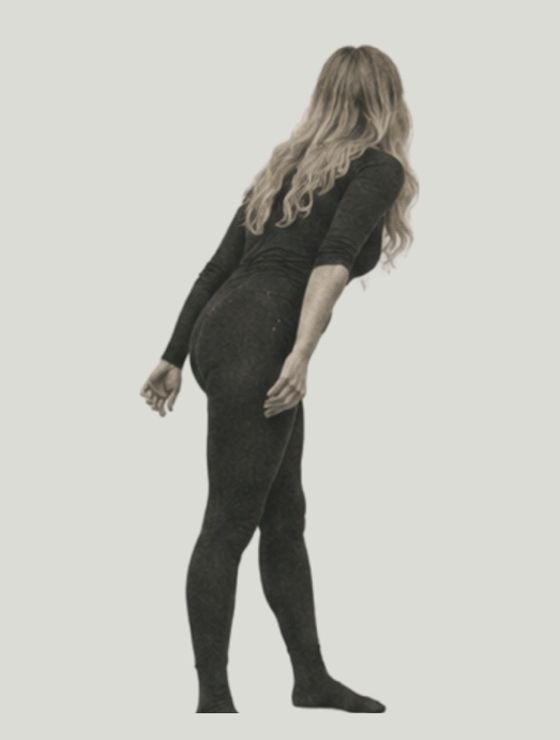
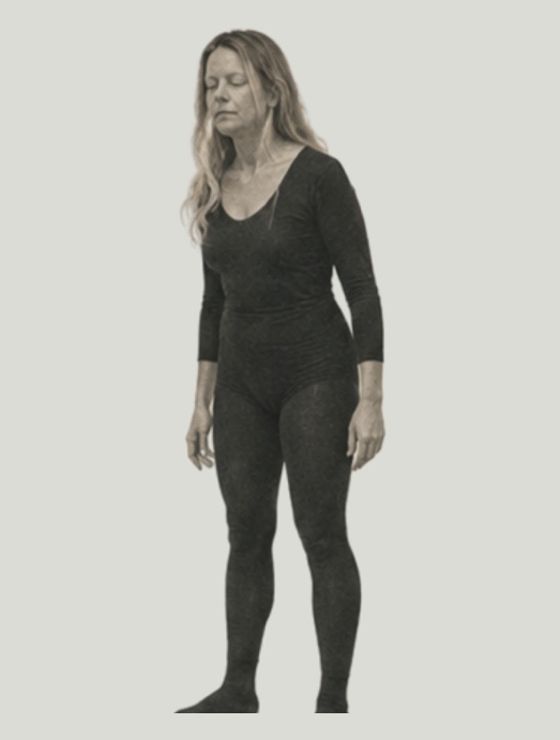
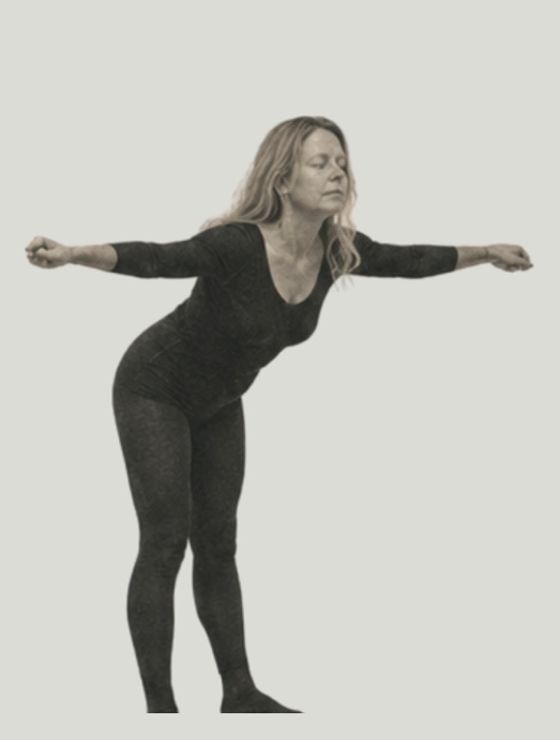
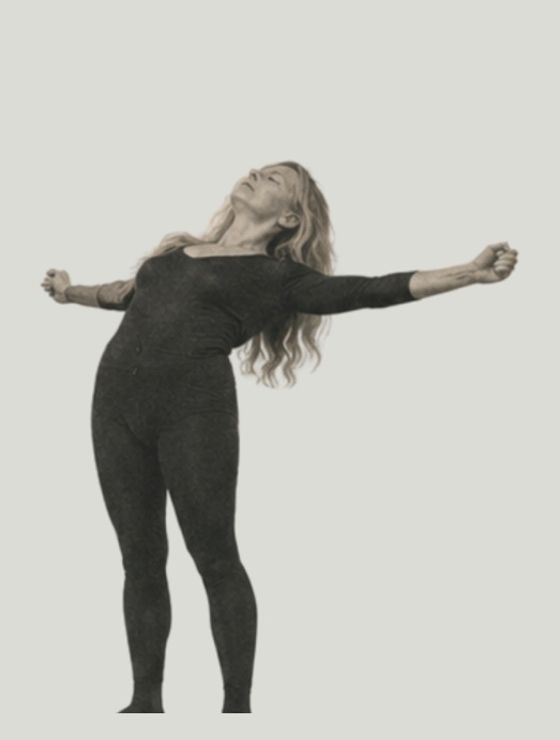
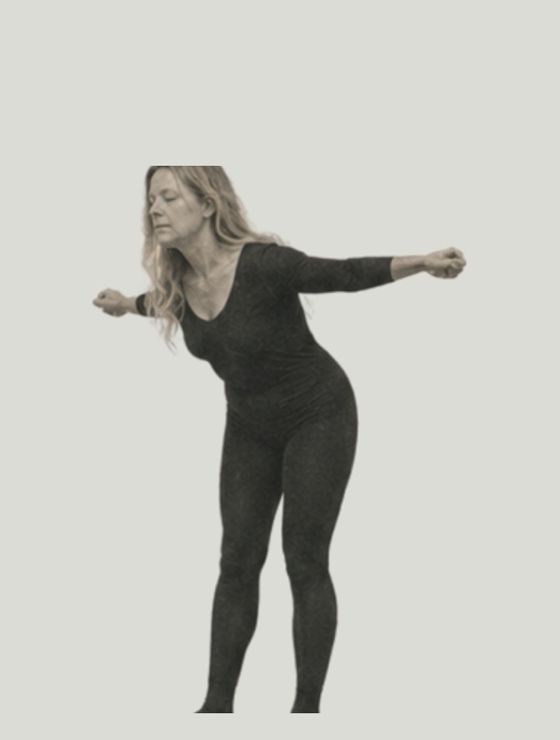
Studio Snoop reads the answers through the nervous system, hormones and the body clock, as carefully as a movement study.
 03Concept · Studio Snoop
The architect designs
The design team receives the conditions the house has to deliver, and why. Here: a carpeted living floor that invites movement and rest.
A private, living brief for your household and your design team.
ForTime to put the day down before joining in.
AgainstNeeds length the plot may not give.
From the brief alone to the finished home.
 Concept · Studio Snoop
 Concept · Studio Snoop
 Concept · Studio Snoop
For families who already have an architect. We create the brief; your design team builds from it.
We stay with your architect through the design, testing each decision against the brief.
Studio Snoop leads the design, from the brief to the finished home.
What families and architects ask us.
01What is a Biological Brief?
A design brief for a home, built from how each person in the household sleeps, rests, moves and recovers. Studio Snoop reads the family's answers through the nervous system, hormones and the body clock, and turns them into the conditions an architect designs for.
08Can a home help with anxiety or feeling overwhelmed?
It can lower the daily load that feeds overwhelm: fewer competing sounds and visual demands, quiet places to step away to, light that eases through the evening, and routes through the house that feel predictable. A home is not a treatment for anxiety. We design the conditions, and work alongside any professionals already supporting you.
09Can home design improve sleep?
It can support it. Sleep depends on darkness, a cooler room, quiet and a steady body clock, so the brief plans bedrooms at the calm end of the house, light that warms and lowers through the evening, and a temperature that suits each person, even in a shared bed. It does not diagnose or treat sleep disorders.
10Can home design support longevity and healthy ageing?
Long-term health rests on everyday conditions: steady sleep, daylight, movement, connection and manageable stress. The brief designs the home so those are easy rather than effortful, and plans for how needs change with age: generous daylight, level thresholds and places to sit. We make no promises about health outcomes.
02How can a home help someone recovering from burnout?
By lowering the daily load: quiet, enclosed places to retreat to, calmer views, light that follows the day, and an arrival home that lets the body put the day down. We design homes, not treatments, and work alongside any professionals already supporting the family.
03How do you design for a neurodivergent household?
We ask each person how they experience light, sound, touch and company, then plan for the differences: light and sound that can be adjusted, a choice of busy and calm spaces, and routes that feel predictable. This includes autistic, ADHD and sensory-sensitive family members. Nobody is labelled; the brief follows what people tell us.
04Can you work with our architect, or in another country?
Yes. The brief is created remotely and works with any architect, anywhere, including the United States. Studio Snoop can also stay with your architect through the design, or lead it as a full design service.
05Is the Biological Brief a medical service?
No. It is a design brief. It does not diagnose or treat anyone. Where health is part of the picture, we work alongside the professionals who already support your family.
06Is our family's information kept private?
Yes. Each brief is private to the household and its design team. Family information is never published.
07How do we begin?
Book a 30-minute introductory call at calendly.com/amanda-studiosnoop/biological-brief. We talk through your household and your project, and whether the Biological Brief is the right fit.
Created by Amanda Talbot, London.
Founder of Studio Snoop. Built on Nervous System Design™: architecture that helps the body regulate and restore.
About Amanda Talbot · Research and evidence: the science and sources
“Human-centred design is not so interested in human wellbeing.”
Amanda TalbotFor families planning a new home or major renovation, and the architects who work with them. Or write to Studio Snoop at studiosnoop.com.
- Klepeis N.E. et al., The National Human Activity Pattern Survey (NHAPS), 2001, funded by the US EPA; summarised in EPA's Report on the Environment
- DataReportal, Digital 2025: the world is ever more connected
- CDC, 1 in 3 adults don't get enough sleep, 2016
- World Health Organization, Commission on Social Connection, 30 June 2025
- World Health Organization, Ageing and health fact sheet
- CDC ADDM Network, autism prevalence among 8-year-olds, 2022 data (published 2025), via HHS
- World Allergy Organization, White Book on Allergy, 2013 update, executive summary
- WHO classifies burn-out as an occupational phenomenon in ICD-11, 2019 (AIHA)